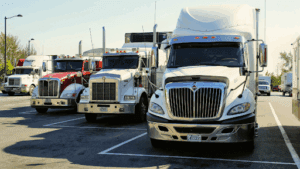




Climate change is one of the most pressing challenges of our time, and the role of car emissions in accelerating global warming cannot be overstated. Whether you drive a personal vehicle or manage a fleet of commercial trucks, understanding how emissions impact the environment—and what actions you can take—is essential for building a more sustainable future.
In this article, we break down how cars affect global warming, the science behind vehicle emissions, and actionable steps you can take today to reduce your carbon footprint.
What Are Car Emissions?
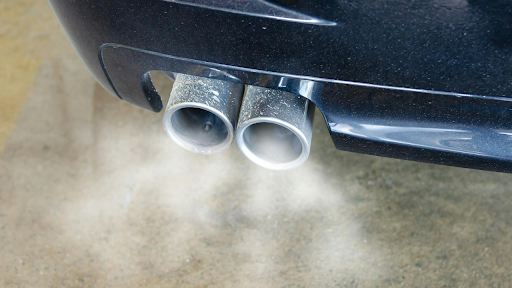
Car emissions refer to the gases and pollutants released by a vehicle’s engine during fuel combustion. These emissions include:
- Carbon dioxide (CO₂) – A primary greenhouse gas that traps heat in the atmosphere
- Nitrogen oxides (NOx) – Contribute to smog and respiratory problems
- Particulate matter (PM) – Fine particles that penetrate the lungs and bloodstream
- Hydrocarbons (HC) – Contribute to ground-level ozone formation
- Carbon monoxide (CO) – A toxic gas harmful to human health
How Do Cars Affect Global Warming?
The connection between cars and global warming lies primarily in carbon dioxide (CO₂) emissions. According to Environment and Climate Change Canada, transportation accounts for nearly one-quarter of all greenhouse gas (GHG) emissions in the country, and the majority of that comes from road vehicles.
Here’s how it works:
- Fuel combustion releases CO₂ into the atmosphere
- CO₂ accumulates and traps heat (the “greenhouse effect”)
- This leads to global temperature increases, changing weather patterns, rising sea levels, and ecosystem disruptions
Every time a car engine burns fuel—especially diesel or gasoline—it releases carbon into the air, contributing to climate change over time.
Are Diesel Vehicles Worse?
Yes, in many ways. Diesel engines are more fuel-efficient, but they tend to emit higher levels of:
- Nitrogen oxides (NOx)
- Particulate matter
- And, in some cases, black carbon, a potent climate-forcing agent
That’s why heavy-duty diesel vehicles are subject to stricter testing standards in Ontario, including opacity testing and OBD system diagnostics under the DriveON emissions program.
What You Can Do to Reduce Emissions
Whether you’re a personal driver or a commercial fleet operator, there are several practical ways to reduce vehicle emissions:
1. Maintain Your Vehicle
- Regular oil changes and air filter replacements
- Ensure your emissions control systems (e.g., EGR, DPF, SCR) are working
- Fix “check engine” lights immediately
2. Drive Efficiently
- Avoid excessive idling
- Accelerate gradually and maintain steady speeds
- Reduce unnecessary weight in the vehicle
3. Switch to Low-Emission Vehicles
- Consider electric, hybrid, or hydrogen-powered options for fleet upgrades
- Opt for smaller, fuel-efficient models for personal use
4. Use Mobile Emissions Testing Services
For commercial diesel operators, regular testing with a DriveON-certified mobile emissions unit ensures your vehicles stay compliant and emit fewer pollutants.
5. Offset Your Carbon Footprint
Look into carbon offset programs to invest in tree planting, renewable energy, or conservation efforts that counterbalance unavoidable emissions.
Why It Matters for Businesses
If your business operates a fleet of commercial vehicles, your environmental impact is multiplied. Making sustainability part of your operations isn’t just good for the planet—it builds trust with customers, regulators, and employees.
Taking steps to monitor, reduce, and report your fleet’s emissions can:
- Improve regulatory compliance
- Strengthen corporate social responsibility (CSR) efforts
- Reduce long-term fuel and maintenance costs
Final Thoughts
Understanding how cars affect global warming empowers individuals and businesses to take meaningful action. Reducing car emissions is one of the fastest ways to make a measurable difference in your environmental impact—especially when you operate heavy-duty diesel vehicles.
Want to ensure your vehicles meet Ontario’s emissions standards?
Our mobile emissions testing service is DriveON-certified and designed to help commercial operators stay compliant while supporting a cleaner, healthier future for all.