

If you operate a commercial vehicle in Ontario, chances are you’ve encountered both Drive Clean Ontario emissions inspections and safety inspections. But what’s the difference between the two? Do you need both? And how do they impact your ability to stay compliant on Ontario’s roads?
This article breaks down the core differences between these two types of vehicle inspections—so you can plan ahead, reduce downtime, and avoid costly surprises.
What Is the Drive Clean Program?
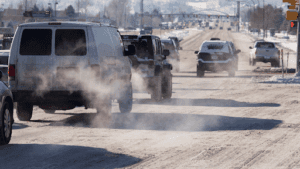
The Drive Clean Ontario program, now administered through DriveON Vehicle Inspection Centres, is designed to control air pollution from heavy-duty diesel commercial vehicles.
Purpose:
- To measure and reduce vehicle emissions
- To identify vehicles that emit excess pollutants or have faulty emissions systems
Who It Applies To:
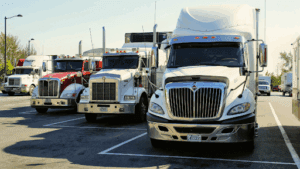
- Diesel vehicles over 4,500 kg RGW
- 7 years or older
- Required for registration renewal or transfer of ownership
What It Includes:
- Pre-test inspection for visible issues
- Opacity test to measure exhaust smoke density
- OBD (On-Board Diagnostics) scan for 2007+ models
What Is a Safety Inspection?
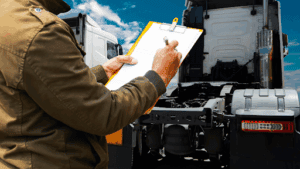
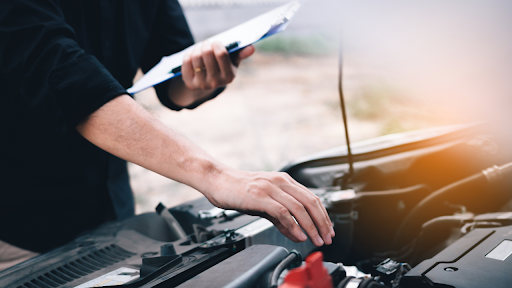
A safety inspection is a comprehensive check of a vehicle’s mechanical condition. It ensures the vehicle meets the minimum safety standards required by the Ontario Ministry of Transportation.
Purpose:
- To confirm that a vehicle is safe to operate on public roads
- Required before registration of used vehicles, and annually or semi-annually for commercial vehicles
Who It Applies To:
- Most commercial vehicles over 4,500 kg
- Vehicles being sold or transferred
- Vehicles being imported
- Buses, tow trucks, accessible vehicles
What It Includes:
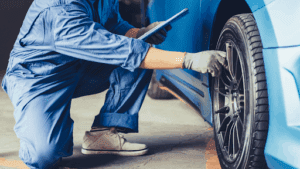
- Inspection of the braking system, suspension, tires, steering, lights, body condition, and more
- Issuance of a Safety Standards Certificate if the vehicle passes
Key Differences at a Glance
| Feature | Drive Clean (Emissions Inspection) | Safety Inspection |
| Purpose | Environmental compliance | Road safety compliance |
| Required For | Diesel trucks/buses over 4,500 kg | Most commercial vehicles and vehicle transfers |
| Frequency | Annually for eligible vehicles | Annually or semi-annually, or during transfers |
| Focus Areas | Emissions systems, visible smoke, OBD codes | Brakes, tires, lights, suspension, safety items |
| Certification | Emissions Test Certificate (valid for 12 months) | Safety Standards Certificate (valid for 36 days) |
| Administered By | DriveON Program | Licensed Inspection Technicians at VICs |
Do I Need Both an Emissions and a Safety Inspection?
Yes—in many cases, commercial vehicle owners must complete both.
For example:
- A heavy-duty diesel truck that is 7+ years old needs a Drive Clean emissions test for registration renewal.
- The same truck may also need an annual or semi-annual safety inspection to maintain its commercial operating status.
If you’re buying, selling, or re-registering a used commercial vehicle, a safety inspection is often required in addition to any emissions-related testing.
When Should You Book Each Inspection?
- Safety Inspection:
Book at least once per year (or every 6 months for certain vehicle types). Also required before ownership transfers or new registrations. - Emissions Inspection (Drive Clean):
Book once annually—typically before your vehicle’s registration renewal. A renewal reminder will be sent by the Ministry of Transportation if you qualify.
Final Thoughts
Understanding the difference between Drive Clean Ontario’s emissions inspections and traditional safety inspections helps you stay compliant, avoid fines, and plan maintenance schedules efficiently.
Both inspections serve different—yet equally important—purposes. One protects air quality; the other protects road safety.
Looking for a fast, DriveON-certified emissions inspection in Ontario?
We offer mobile testing services for busy commercial operators who want to stay compliant without disrupting their schedules.